
Case study: Patients wait longer for heart surgery now than pre-pandemic
More people are dying as a result of waiting longer for their heart operations, research shows, revealing the need for better risk prediction and more centralised, integrated care.
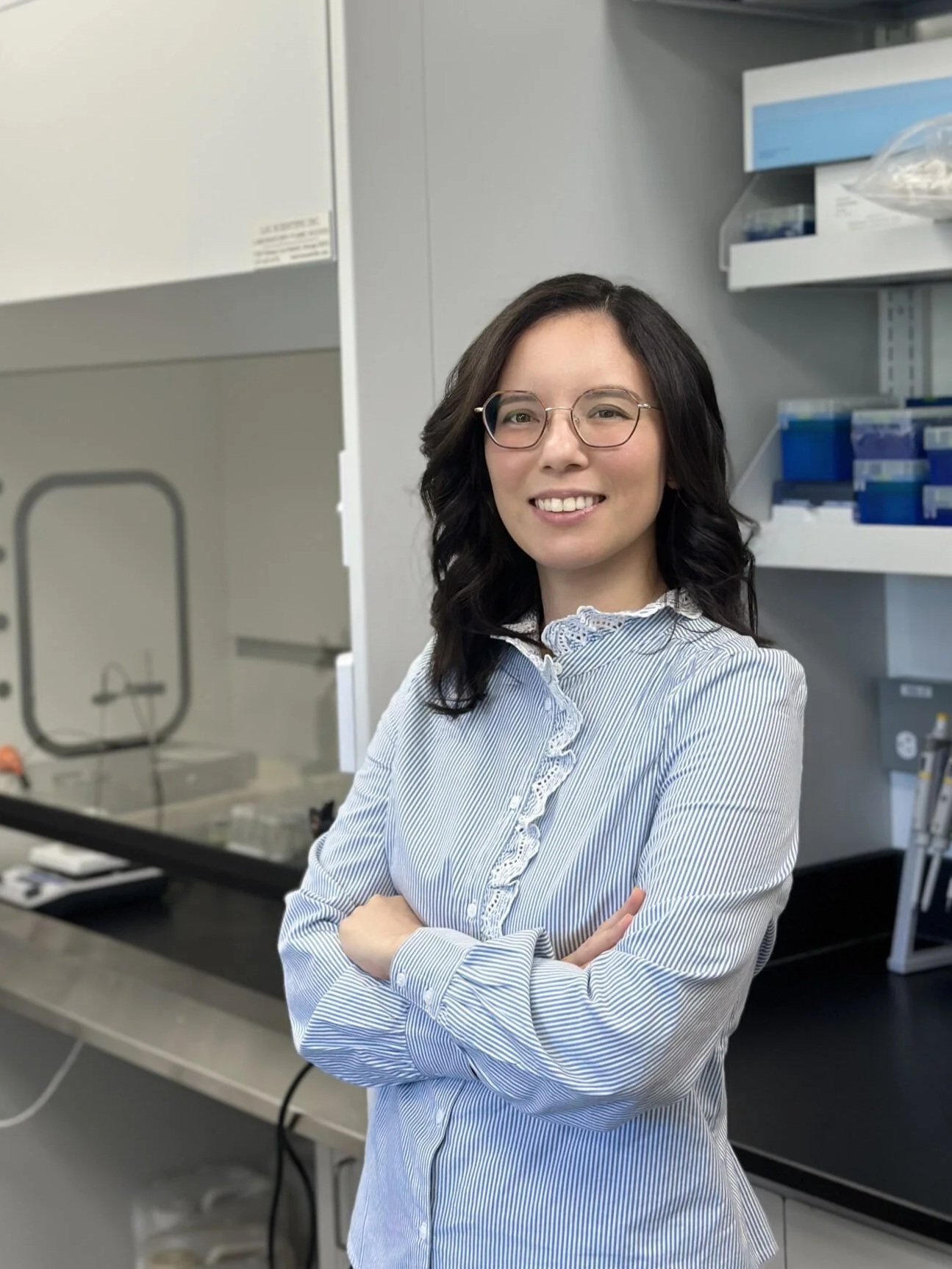
Shape-shifting implants and missions to Mars
Vivian Feig aspires to make it easier for everyone to access cutting-edge medical technology that is seamlessly integrated into our lives. That includes people living in the most remote corners of the Earth, or maybe even on future space missions to Mars.

New AI model predicts future risk of diabetes-related blindness
A high risk of developing sight-threatening diabetic retinopathy can be predicted up to three years ahead, while people at low risk can avoid unnecessary screening.

Humans versus habitats
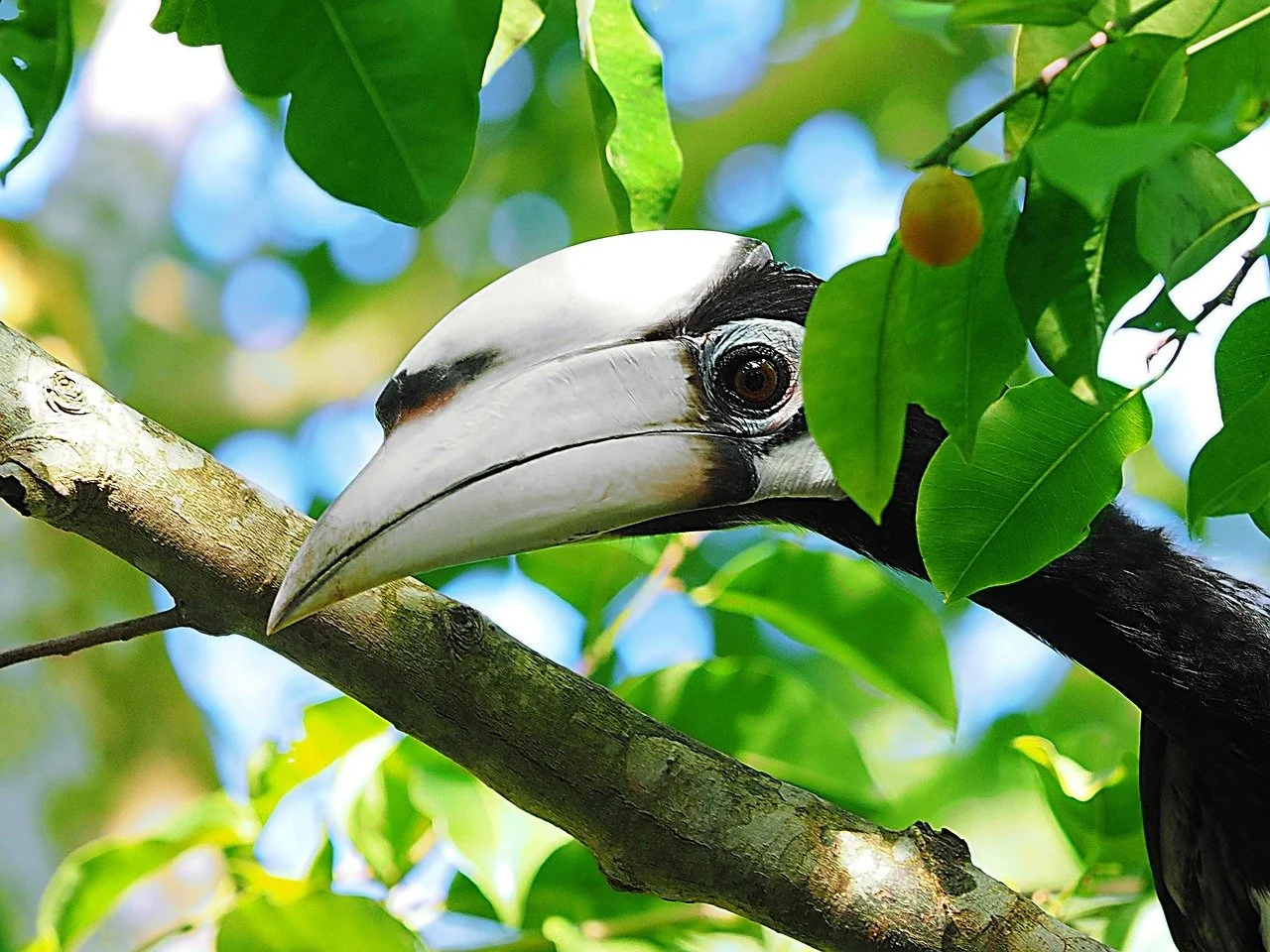
Wild animals need a lot of space, and we are taking that away from them. How do they navigate a world where human disturbances are everywhere and natural habitats are shrinking?
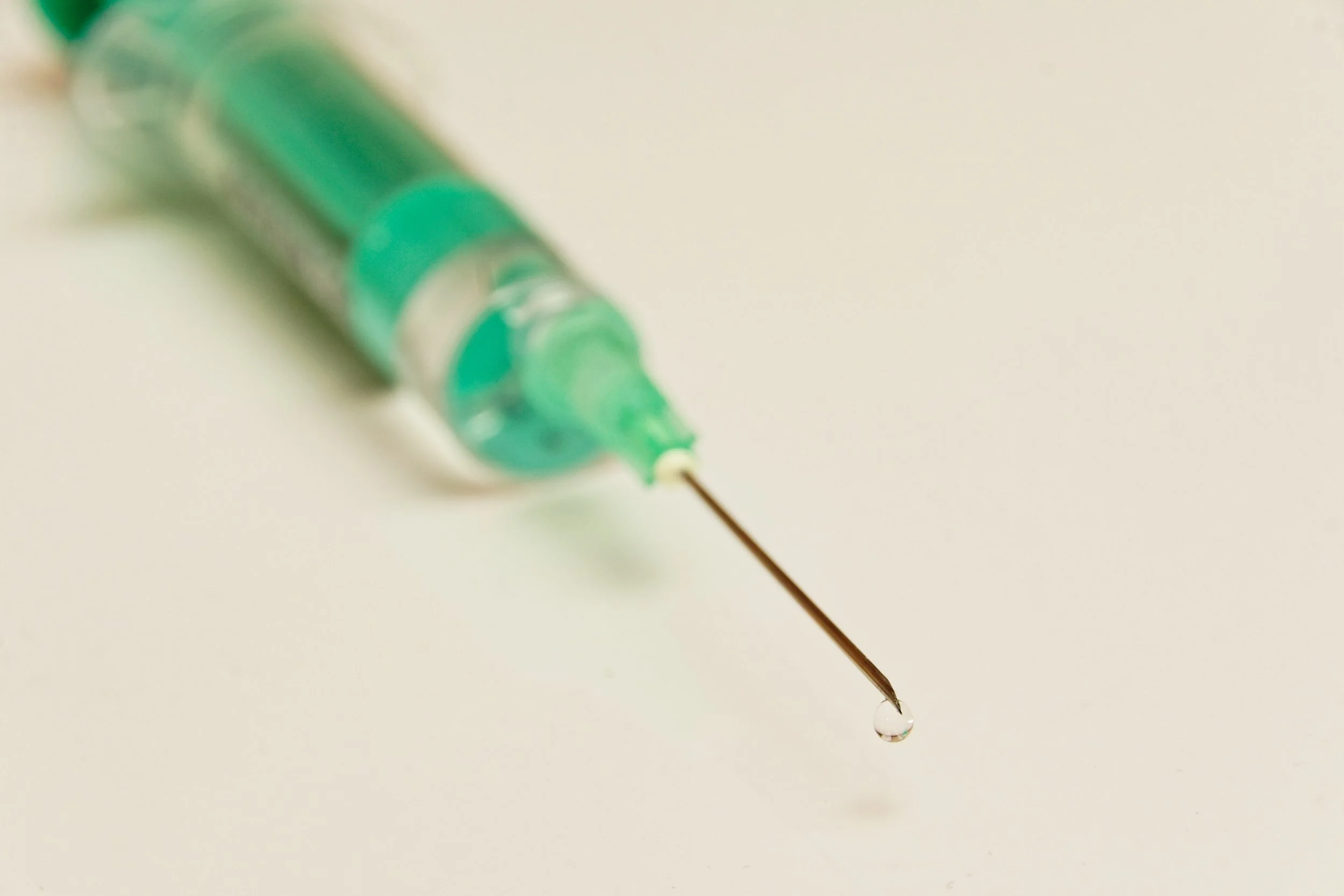
Breakthrough could cut daily diabetes jabs to just three times a year
Painful daily injections may soon become a thing of the past for type 2 diabetes patients, thanks to a new ‘hydrogel’ drug delivery technology that slowly and steadily releases diabetes drugs over several months.

Children who tell blunt truth, rather than lying, are judged more harshly by adults
New research suggests that children who tell blunt truths such as “I don’t want this present – it’s ugly!” are judged more harshly by adults than those who bend the truth to be polite.

Before the flood
Flooding hits countries with limited resources the hardest. But what if we could put in place humanitarian aid – clean water, clothes, food, shelter – before a drop of rain has even fallen?
Working life: Surgeon and researcher Damian Mole
Damian Mole combines surgery with research. He wants to find out why people who’ve had acute pancreatitis have a shortened lifespan, even after they seem to have fully recovered. Here he tells us about the buzz of surgery, the importance of mentors and relaxing with his jazz band.
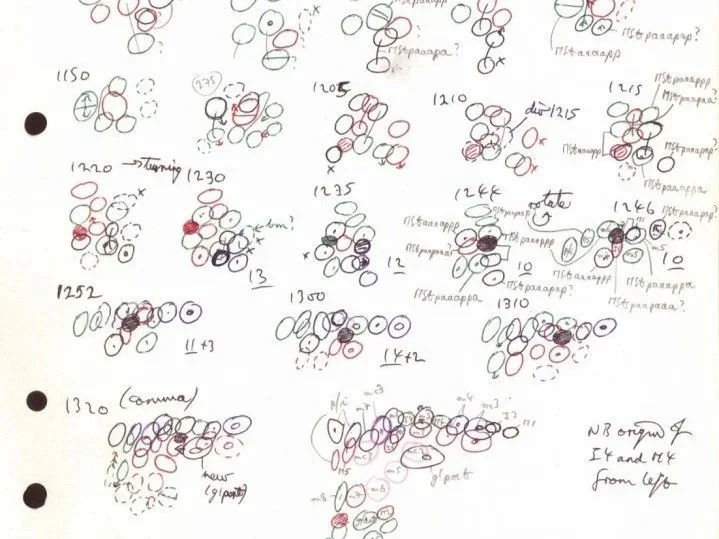
Behind the picture: Sir John Sulston’s worm cell drawings
Sir John Sulston is best known for the leading role he played in the Human Genome Project. But earlier in his career, he studied the development of the nematode worm. Sarah Harrop tells the story behind a lab notebook entry which contributed to a Nobel Prize-winning breakthrough.
It's a jungle out there...
“Hello. My name is Crazy Like Monkey." The semi-toothless man in the mirrored shades proudly pointed to his plastic name badge, which, sure enough, was inscribed with the words "Crazy Like Monkey".